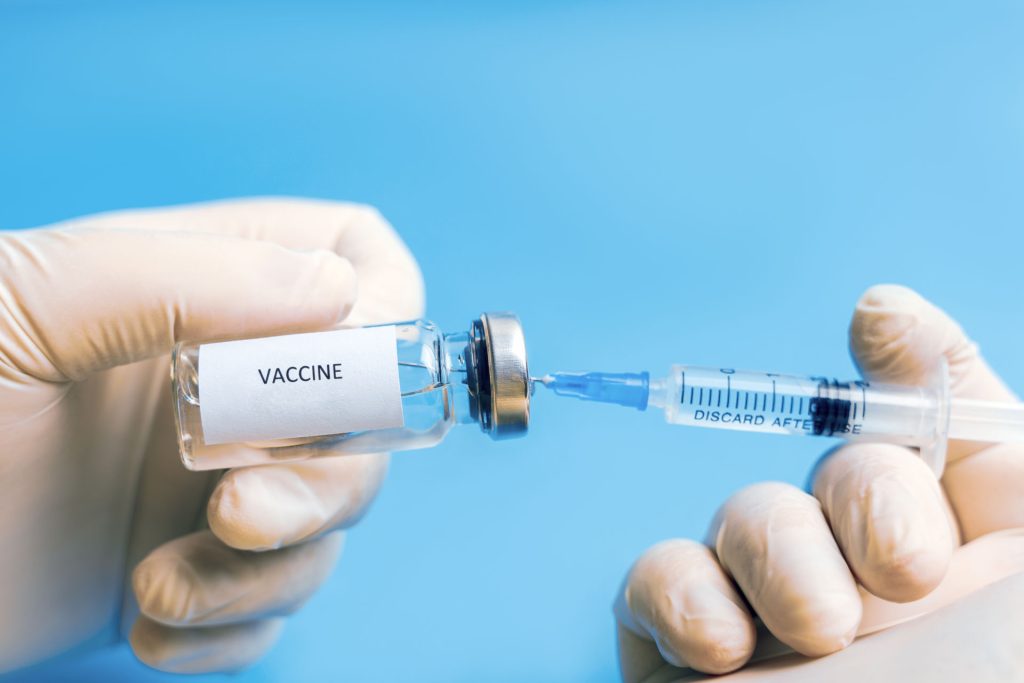


Keeping your furry friend healthy is your top priority. Vaccinations are a vital tool in your pet’s healthcare arsenal, safeguarding them from serious and potentially fatal diseases.
Why Vaccinate?
Vaccinations work by introducing a weakened or inactive form of a virus or bacteria to your pet’s body. This triggers their immune system to develop antibodies, which can fight off the disease if they encounter it in the future. Think of it as a training session for their immune system!
Core vs. Non-Core Vaccinations
There are two main categories of pet vaccinations:
- Core Vaccinations: These are essential for all pets in your region and protect against widespread and dangerous diseases. Common core vaccines for dogs include distemper, parvovirus, and rabies. For cats, core vaccinations typically cover panleukopenia, rhinotracheitis (feline herpesvirus), and calicivirus.
- Non-Core Vaccinations: These offer protection against specific diseases depending on your pet’s lifestyle and risk factors. Your veterinarian will recommend non-core vaccines based on your pet’s age, breed, environment (e.g., boarding kennels), and potential exposure to certain illnesses.
Benefits of Vaccination
- Protects Your Pet: Vaccinations significantly reduce the risk of your pet contracting serious diseases.
- Herd Immunity: Vaccinating your pet helps protect not only them but also other animals in the community, especially those who cannot be vaccinated due to age or health concerns.
- Peace of Mind: Knowing your pet is vaccinated provides peace of mind and allows you to enjoy adventures together without unnecessary worry.
Discuss a Vaccination Schedule with Your Veterinarian
The recommended vaccination schedule for your pet will vary depending on their age, species, and lifestyle. Your veterinarian will create a personalized plan to ensure your pet receives the right vaccinations at the right time.
Don’t wait! Schedule a consultation with us today to discuss your pet’s vaccination needs. A few simple shots can mean a lifetime of good health for your furry companion.
Please feel free to call the practice on 011 887 8158 and we will gladly assist you with a quotation.
Canine and feline initial vaccinations: Puppies and kittens should be inoculated at least 3 times between the ages of 6 to 16 weeks, with a 3-4 week interval between vaccinations.
It is recommended to follow-up with yearly boosters to ensure your pets best possible protection for life.
“Core” vaccinations are a handful of vaccines that should be administered to your pet, thus protecting your pet against common and potentially harmful diseases.
CORE VACCINATIONS FOR DOGS ARE GIVEN TO PREVENT THE FOLLOWING DISEASES:
- Canine distemper caused by Canine Distemper (CD) virus,
- Infectious canine hepatitis (ICH) caused by Canine Adenovirus type 1 (CAV-1),
- Respiratory disease caused by Canine adenovirus type 2 (CAV-2) and Canine parainfluenza (CPI) virus,
- Canine parvoviral enteritis caused by Canine parvovirus (CPV)
- Rabies caused by Lyssavirus sp.
CORE VACCINATIONS FOR CATS ARE GIVEN TO PREVENT THE FOLLOWING DISEASES:
- Feline viral rhinotracheitis (FVR) caused by Feline herpesvirus-1,
- Feline respiratory disease caused by Feline calicivirus (FCV),
- Feline panleukopenia (FPL) caused by feline panleukopaenia virus,
- Rabies caused by Lyssavirus sp.
Non-core vaccinations are vaccines that are not necessary for all dogs or cats. The decision to administer is dependent on the animal’s risk for exposure and infection.
NON-CORE VACCINATIONS IN DOGS:
- Leptospirosis
- Kennel cough
- Canine coronavirus
- Canine herpesvirus
NON-CORE VACCINATIONS IN CATS:
- Chlamydiosis
- Feline leukaemia
- Feline immunodeficiency virus
As mentioned previously one of the potential risks when having your pet vaccinated is allergic reactions. Please make sure to notify your vet if any reaction or signs of illness develop after having your pet vaccinated.